Key ideas
- Community members speak in ordinary language instead of legal terminology.
- Follow-up questions respond to the incident instead of a rigid form path.
- Required data is captured while the person still has the context in front of them.
- The agency retains review and approval authority before the report becomes official.
The first question shapes everything that follows
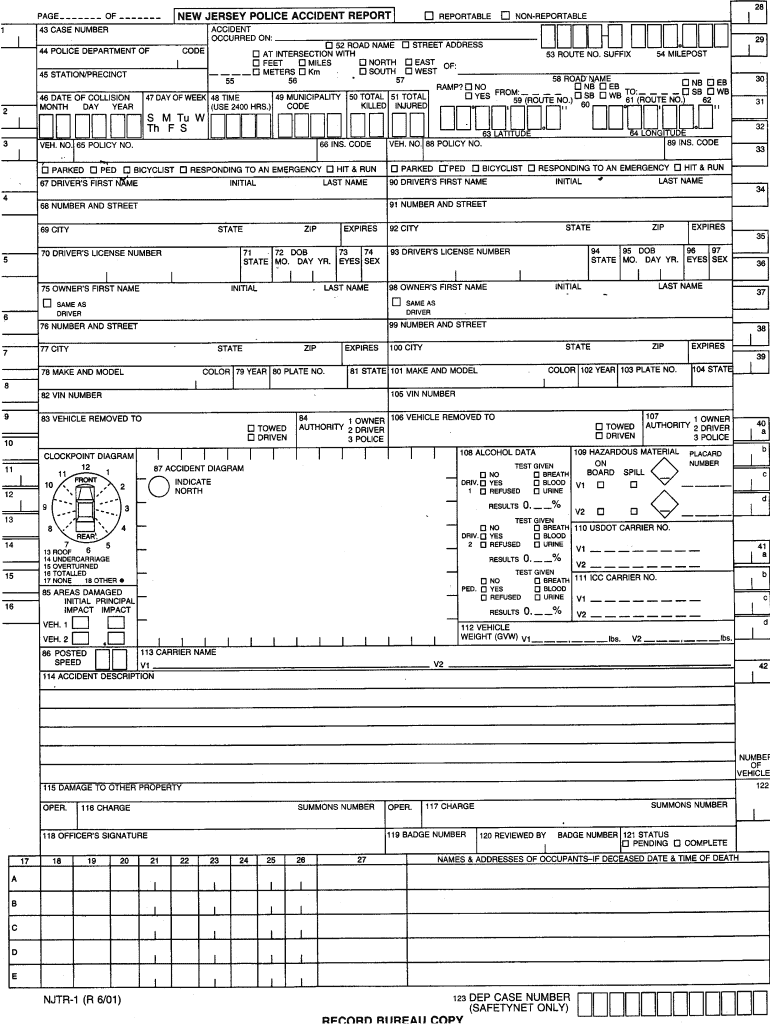
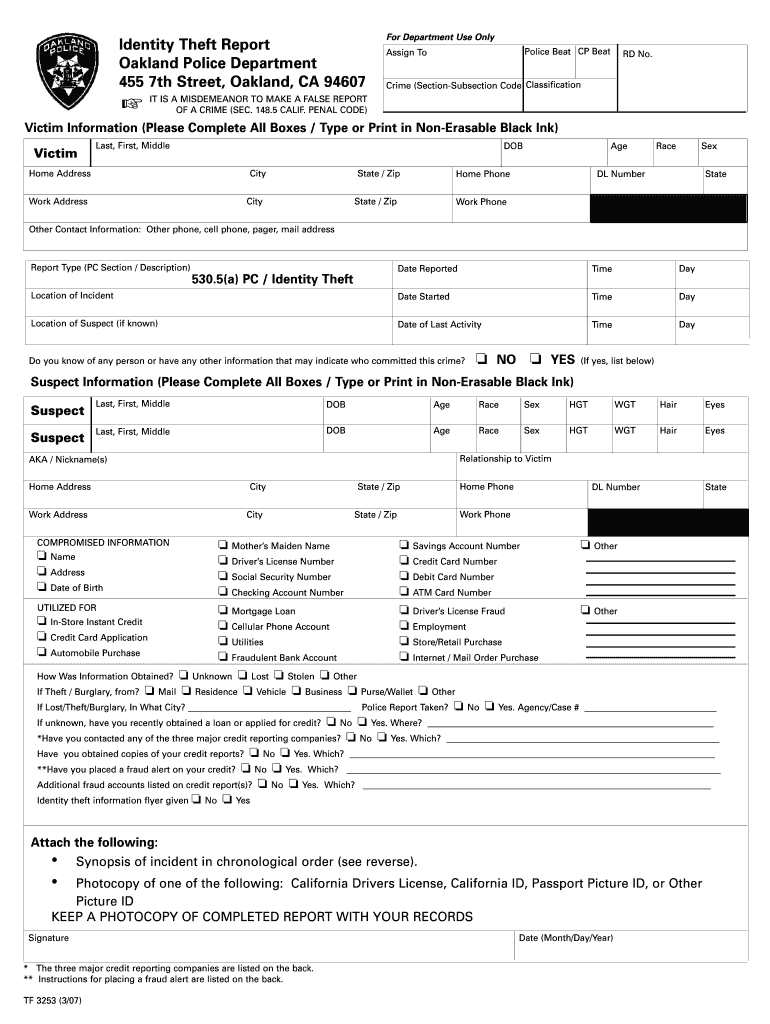
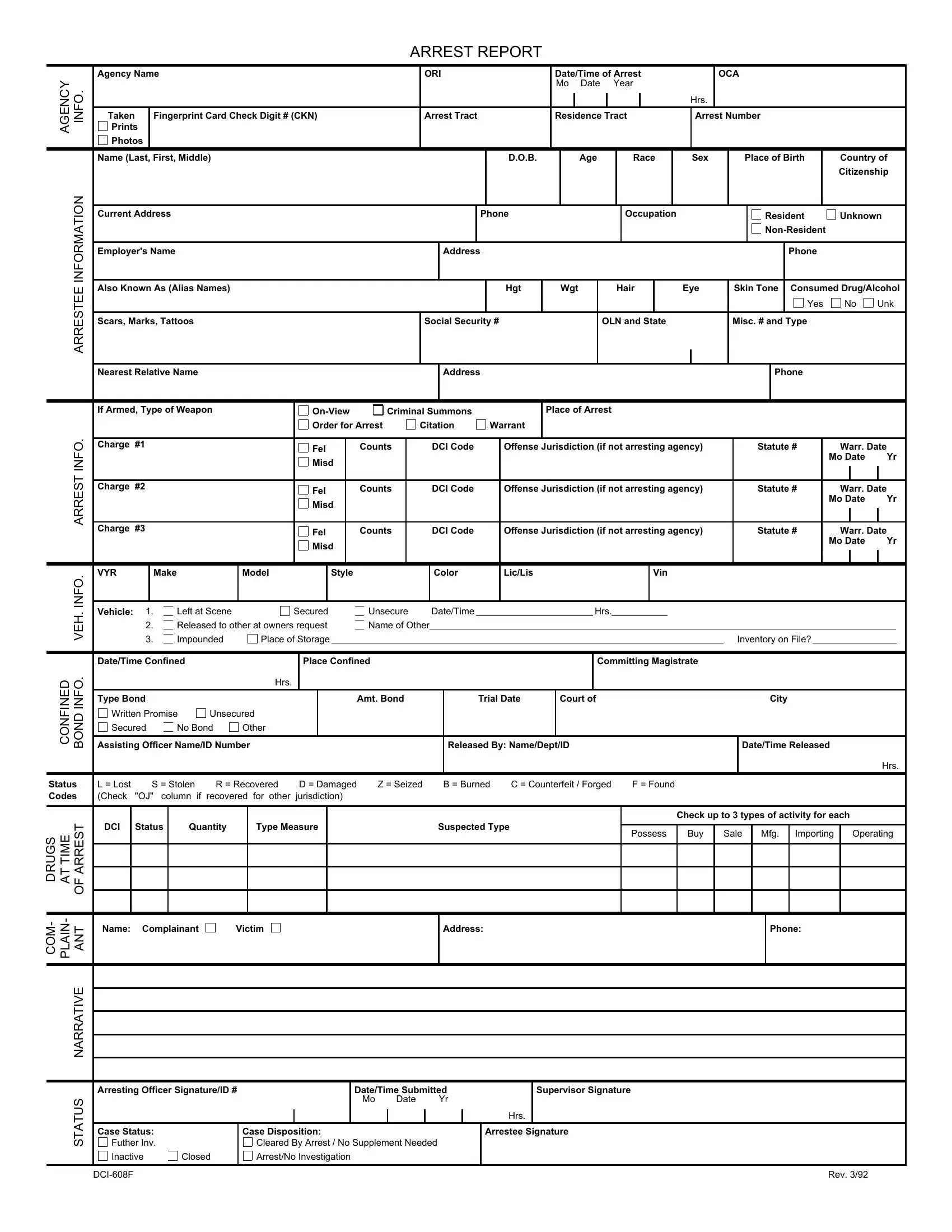
Most digital public-safety intake begins by asking a community member to choose a category: theft, burglary, fraud, vandalism, or something else. It feels efficient. It is also asking the person seeking help to make one of the workflow’s most consequential decisions.
People know what they saw, what was taken, where they were, and how the incident unfolded. They should not need to understand the legal elements that separate theft from burglary before they can tell their department what happened.
Listen first, then find the structure
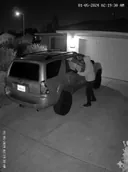
A capable intake agent starts with an open narrative, then asks targeted questions as facts emerge: Was the vehicle locked? Was anything damaged to gain entry? What was taken? Is video available? Each answer clarifies the incident while building the structured record the department needs.
This sequence matters. It mirrors how a good interviewer works: listen first, clarify second, and suggest a classification only when the necessary elements are present.
- Community members speak in ordinary language instead of legal terminology.
- Follow-up questions respond to the incident instead of a rigid form path.
- Required data is captured while the person still has the context in front of them.
- The agency retains review and approval authority before the report becomes official.
Accessibility is a data-quality decision
Complex forms do more than create a frustrating experience. They change the information an agency receives. Confusing categories lead to abandoned interactions, incorrect selections, vague narratives, and follow-up work for department personnel.
Conversational intake removes some of that translation burden. It is easier to use across languages, easier on a phone, and more forgiving when an incident does not fit neatly into a dropdown. Better community access and better information are not competing goals; in this workflow, they reinforce each other.
A virtual officer for intake, not a substitute for judgment
Calling OneReport a virtual officer describes its role at the public front door: listening, asking relevant follow-up questions, and preparing information. It does not confer sworn authority or turn an unreviewed conversation into an official record.
Agency personnel retain the judgment that matters. A responsible workflow gives them the original account, structured fields, suggested classification, validation results, and a traceable record they can evaluate. The community member can remain a community member while the intake agent handles the difficult translation from lived experience to reviewable information.